Causes of insomnia may include: stress disruptions to the internal body clock, due to travel or work commitments poor sleep habits, such as an irregular bedtime schedule eating late in the evening mental health conditions, such as anxiety and depression neurodegenerative conditions, such as Alzheimers disease neurodevelopmental conditions, such as attention deficit hyperactivity disorder (ADHD) certain medications, such as those for depression, asthma, and high blood pressure sleep-related disorders, such as sleep apnea and restless legs syndrome consuming alcohol, nicotine, and caffeine Deficiencies or higher levels of the following vitamins may impact sleep: Vitamin D Studies indicate vitamin D levels also support pathways that regulate melatonin
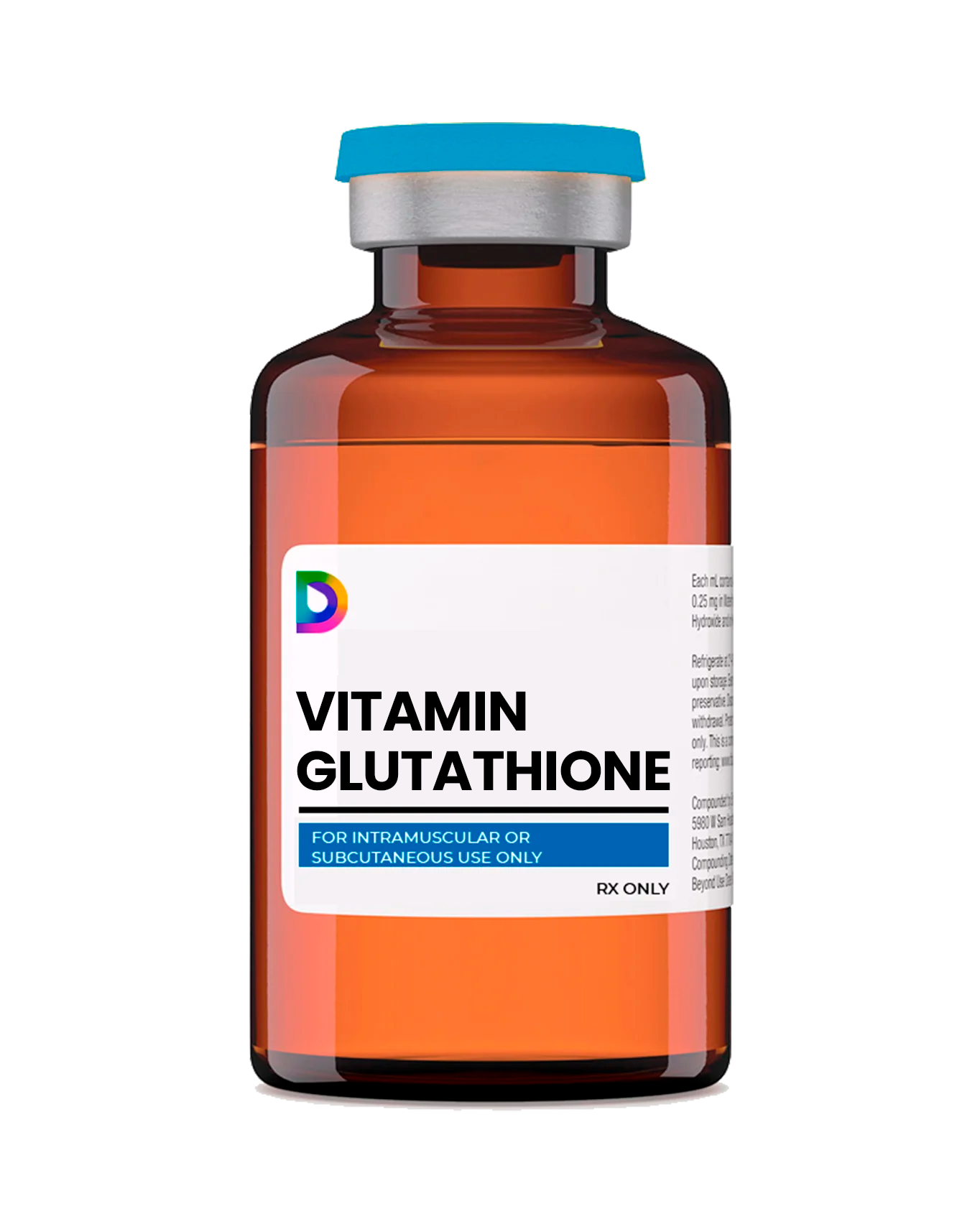
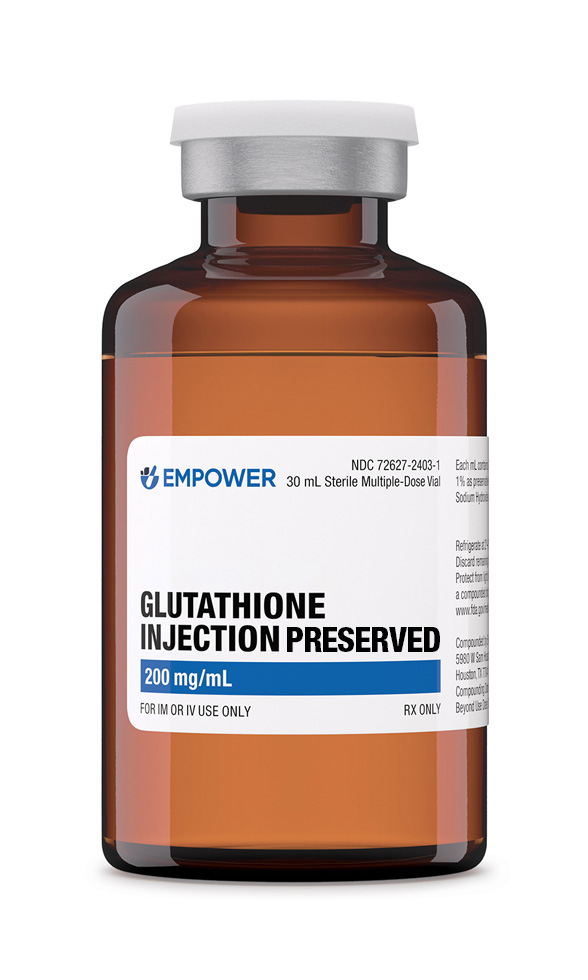
Once opened, write the date on the vial and discard any unused product after 30 days
Therefore, caution is advised regarding the administration of high antioxidant doses in diets because an excess might potentially promote overgrowth in antigen-stimulated lymphoid cells
2017 Collagen Collagen is the most abundant protein in the human body, providing structural support to skin, hair, nails, and connective tissues
The most significant theoretical concern is BPC-157s pro-angiogenic activity because the same pathways that promote healing can theoretically support tumor growth in people with existing (possibly undetected) cancers