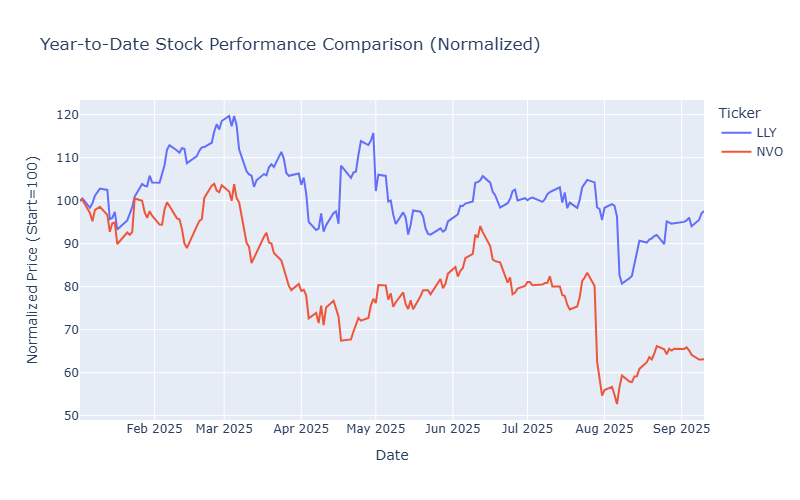
While industry proponents frame these as separate and new inventions (or innovations), all three rely on the exact same active ingredient, semaglutide
At that point, she called off work and mostly stayed in bed feeling sick
These probiotics have been shown to reduce inflammatory biomarkers, which play an important role in modulating our immune system
[1] However, remember that response varies, and your provider will consider multiple factors including adherence, lifestyle modifications, and individual metabolic characteristics before making changes

Individuals who should avoid or exercise extreme caution include: Immunocompromised patients : Those with primary immunodeficiency disorders, HIV/AIDS with low CD4 counts, active chemotherapy recipients, or individuals taking immunosuppressive medications (corticosteroids, biologics, transplant drugs) face increased infection risk Critically ill or hospitalized patients : Severely ill individuals, particularly those in intensive care settings or with compromised gut barrier function, should not receive probiotics outside controlled clinical protocols Patients with central venous catheters : Indwelling lines provide potential routes for bacterial translocation into the bloodstream Premature infants : The FDA issued a safety warning in October 2023 against using probiotics in preterm infants due to risk of invasive infection Patients with severe acute pancreatitis : Clinical guidelines from the American College of Gastroenterology recommend against probiotic use in this condition due to potential harm [15] [16] Additional populations requiring medical consultation: Pregnant and breastfeeding women should consult healthcare providers before using GLP-1 probiotics, as safety data in these populations remains limited