It is an equally likely possibility that the production of anti-islet autoantibodies occurs as a result of the destruction of -cells
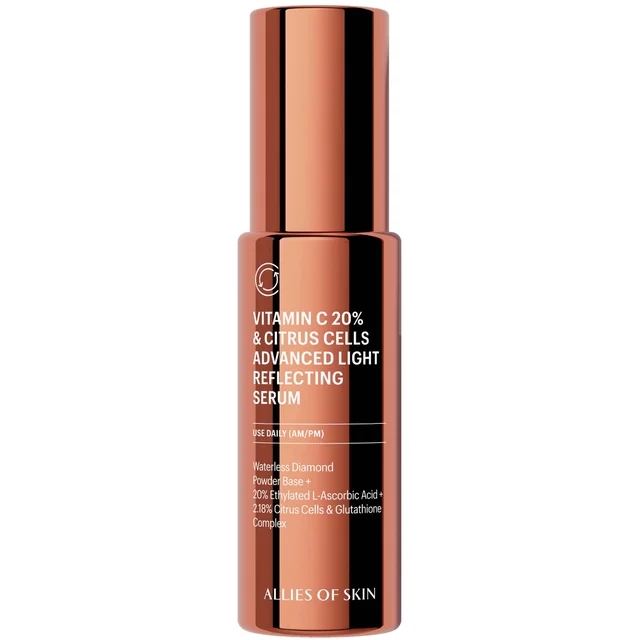
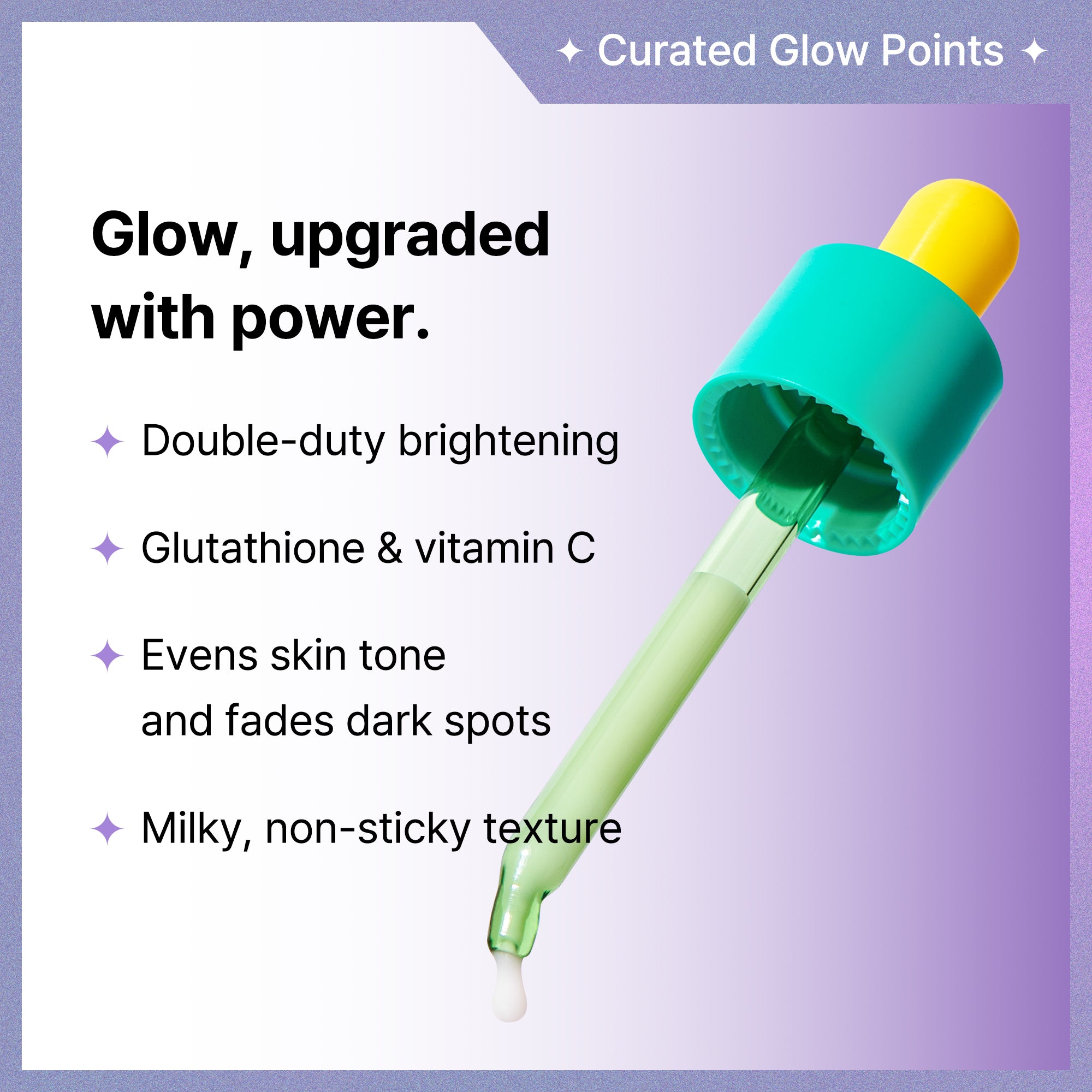
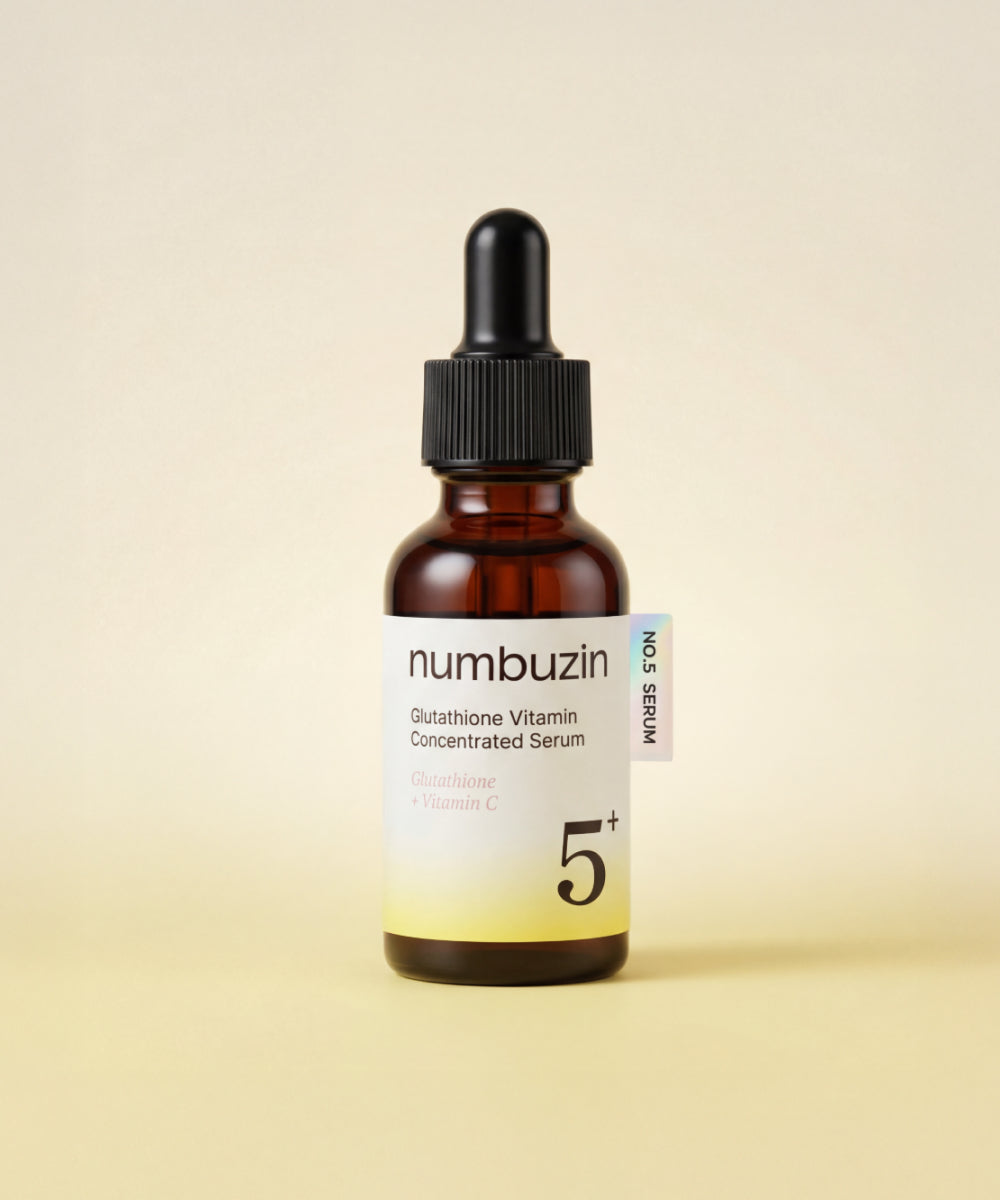
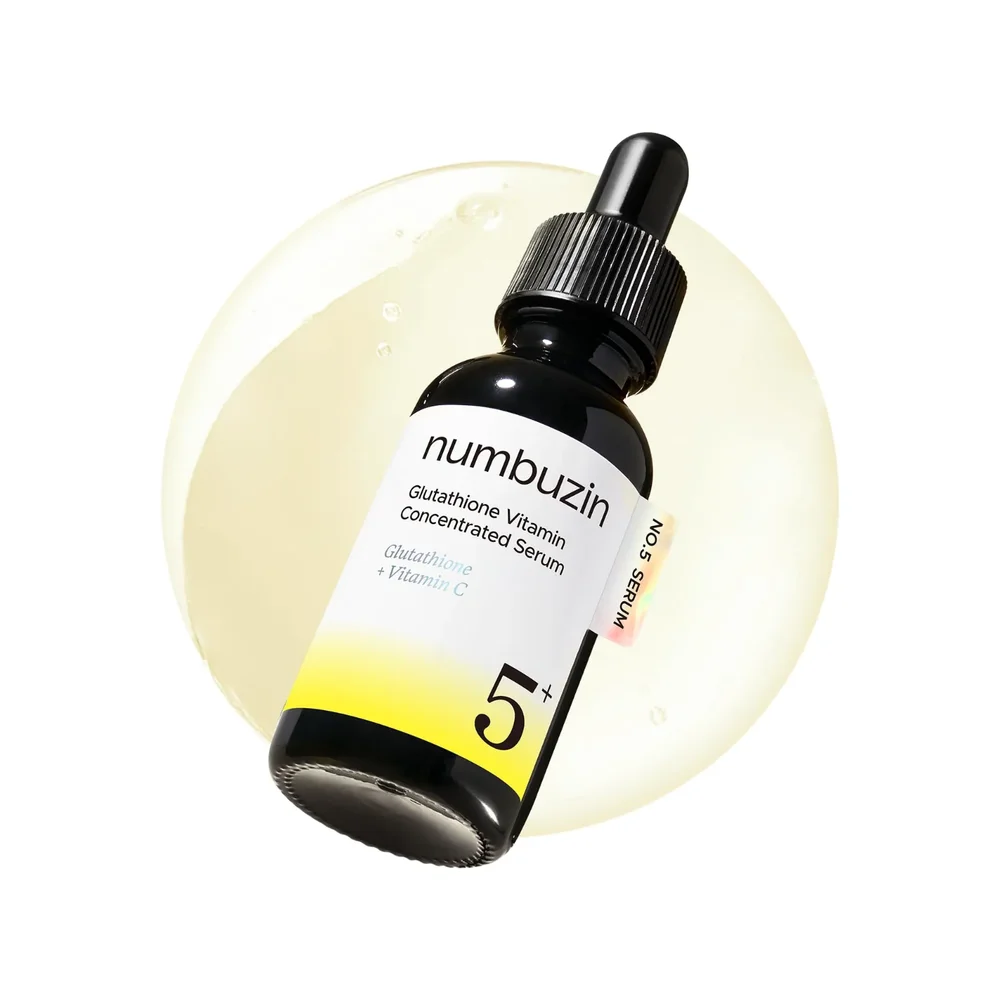
Glutathione is a powerful antioxidant and detoxifying compound consisting of three amino acids: cysteine, glutamic acid, and glycine. Produced in the liver, glutathione assists with detoxifying xenobiotics and heavy metals, neutralizes hydrogen peroxide, maintains the integrity of blood cells, and helps transport amino acids across cell membranes. It aids in the breakdown of oxidized fats and is necessary for carbohydrate metabolism. Glutathione is also involved in metabolizing insulin and regulating blood glucose levels. These hypoallergenic formulations have been specifically designed using the active, reduced form of glutathione for maximum benefit
Important Considerations and Limitations Bioavailability Research Current scientific evidence regarding the bioavailability of dietary glutathione presents mixed findings: Some studies suggest that orally consumed glutathione may be broken down in the digestive system Other research indicates that certain food matrices may protect glutathione during digestion The relationship between dietary glutathione intake and tissue glutathione levels requires further research Dietary supplements however, such as Rhos Liposomal Glutathione, have demonstrated the ability to elevate bodily glutathione levels, reduce oxidative stress markers, and enhance immune cell function, in clinical trials
Because these particles are so small, absorption can start right in the mouth, rather than waiting for everything to travel through the stomach first
These challenges have catalyzed the search for innovative strategies for early detection, prognosis, and precision treatment that can augment the current standard of care defined by international guidelines such as KDIGO (Kidney Disease: Improving Global Outcomes KDIGO CKD Work Group, 2024)


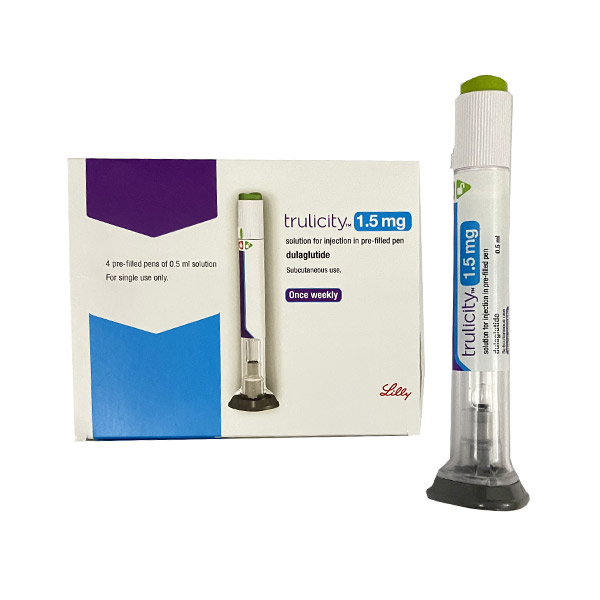
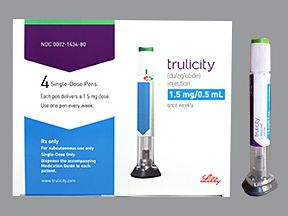
![Trulicity Lawsuit [2026]](https://www.torhoermanlaw.com/wp-content/uploads/2026/02/Trulicity-Lawsuit-Trulicity-Lawsuit-Overview.jpg)